
Infectious Diseases & Immunity
Six Things to Do Before Flu Season Peaks
Oct
Six Things to Do Before Flu Season Peaks
Every year, the flu arrives on roughly the same schedule, and every year it catches households off guard. According to the Centers for Disease Control and Prevention (CDC), flu activity in the United States often begins to increase in October and most often peaks between December and February.
That gives you a window. The best time to prepare for the flu is before anyone in your home is sick, when you can think clearly and the pharmacy shelves are full. Here are six practical steps to take now.
1. Put a vaccination date on the calendar
For most people, September and October are the ideal months for a flu vaccine, and getting vaccinated later is still worthwhile as long as flu viruses are circulating. Protection takes about two weeks to develop, so earlier in the season is better than waiting until people around you are sick.
Treat it as a household task with a date attached. A pharmacist or healthcare professional can tell you which vaccine is appropriate for each person’s age and health. The CDC preferentially recommends certain vaccines for adults 65 and older, and some young children need two doses.
2. Make a plan if someone in your home is at higher risk
Young children, adults 65 and older, pregnant women, and people with chronic conditions such as asthma, heart disease, or diabetes are more likely to develop serious complications from the flu.
If that describes you or someone you care for, ask a healthcare professional two questions this fall: what should we do at the first sign of flu symptoms, and whom do we call after hours? Prescription antiviral medicines are recommended for people at higher risk, and they work best when started early, ideally within 48 hours of the first symptoms. Knowing the plan in advance saves precious time.
3. Stock a simple home kit
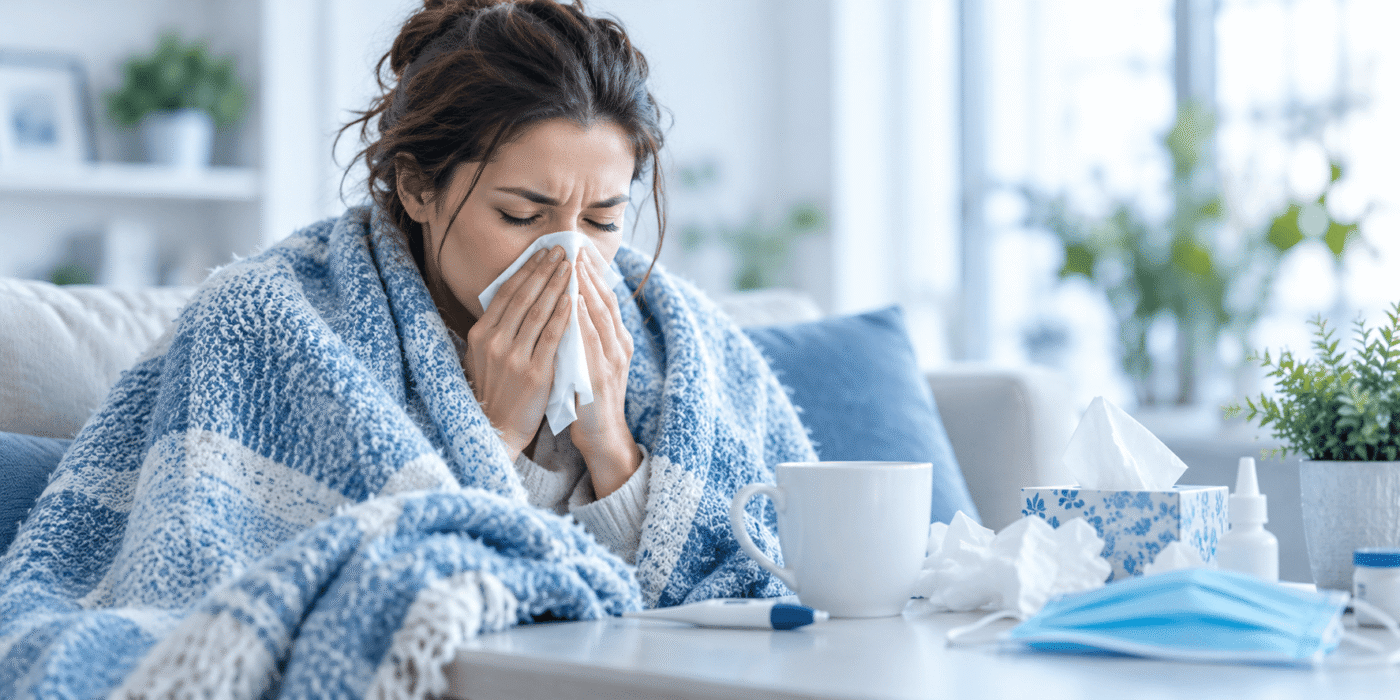
It is much easier to gather supplies now than to shop while ill. A basic kit includes:
- a reliable thermometer,
- fever-reducing medicine appropriate for each family member’s age,
- fluids, such as broth and an oral rehydration solution,
- tissues, hand soap, and hand sanitizer,
- well-fitting masks, and
- a list of each person’s medicines and health conditions.
4. Read the labels in your medicine cabinet
Many cold and flu products combine several ingredients in one dose. According to the Food and Drug Administration (FDA), acetaminophen is found in more than 600 over-the-counter and prescription medicines. Taking a multi-symptom product along with a separate pain reliever can add up to more acetaminophen than is safe, and too much can cause severe liver damage.
Check the active ingredients on what you already own, and do not take two products that contain the same one. A pharmacist can check your combination for you. For children, ask a pediatrician or pharmacist before giving any cough or cold medicine, and never give aspirin to children or teenagers with the flu.
5. Decide now how you will stay home
Staying home when sick is one of the most effective ways to protect other people, and it is often the hardest step to follow. A little planning helps. Check your employer’s sick leave policy, find out your child’s school or childcare rules, and think about who could help with care if you are the one who gets sick.
CDC guidance is to stay home until, for at least 24 hours, your symptoms are improving overall and you have had no fever without fever-reducing medicine.
6. Learn the one warning sign families often miss
Most people with the flu improve steadily. Be alert to the opposite pattern: a person who starts to feel better and then gets worse again, with a returning fever or a deepening cough. The CDC lists this among its emergency warning signs, because it can signal a complication such as pneumonia.
Other signs that need medical care right away include trouble breathing, persistent chest pain, confusion, and signs of dehydration. The CDC publishes full lists of emergency warning signs for children and adults.
A little preparation goes a long way
You cannot control whether the flu circulates in your community this winter. You can control how ready you are. An hour of preparation this month can make a hard week much easier later.
For a complete, plain-language guide to prevention, vaccines, treatment, home care, and warning signs, see our ebook, Influenza: How to Reduce Your Risk and Protect Your Health.
This article is for informational and educational purposes only and is not a substitute for professional medical advice, diagnosis, or treatment. Always consult a qualified healthcare professional about your own situation. Information reflects sources available in October 2026.
