
Infectious Diseases & Immunity
Shingles After 50: The Facts, The Risks, and What You Actually Need to Know
Sep
If you are over 50, you might have heard that you are at a higher risk for shingles. In fact, roughly one in three adults in the United States will develop the condition in their lifetime. Yet, despite being so common, it remains heavily misunderstood, leaving many feeling anxious and unprepared.
One of the biggest misconceptions is that shingles strikes because of poor health or bad lifestyle habits. The truth is much simpler: it is a reactivation of the varicella zoster virus, the exact same virus that caused your childhood chickenpox. As we age, a very specific part of our immune system naturally becomes less vigilant, allowing the dormant virus to wake up. This means that even if you exercise daily and eat a perfectly balanced diet, age is still your primary risk factor by a wide margin.
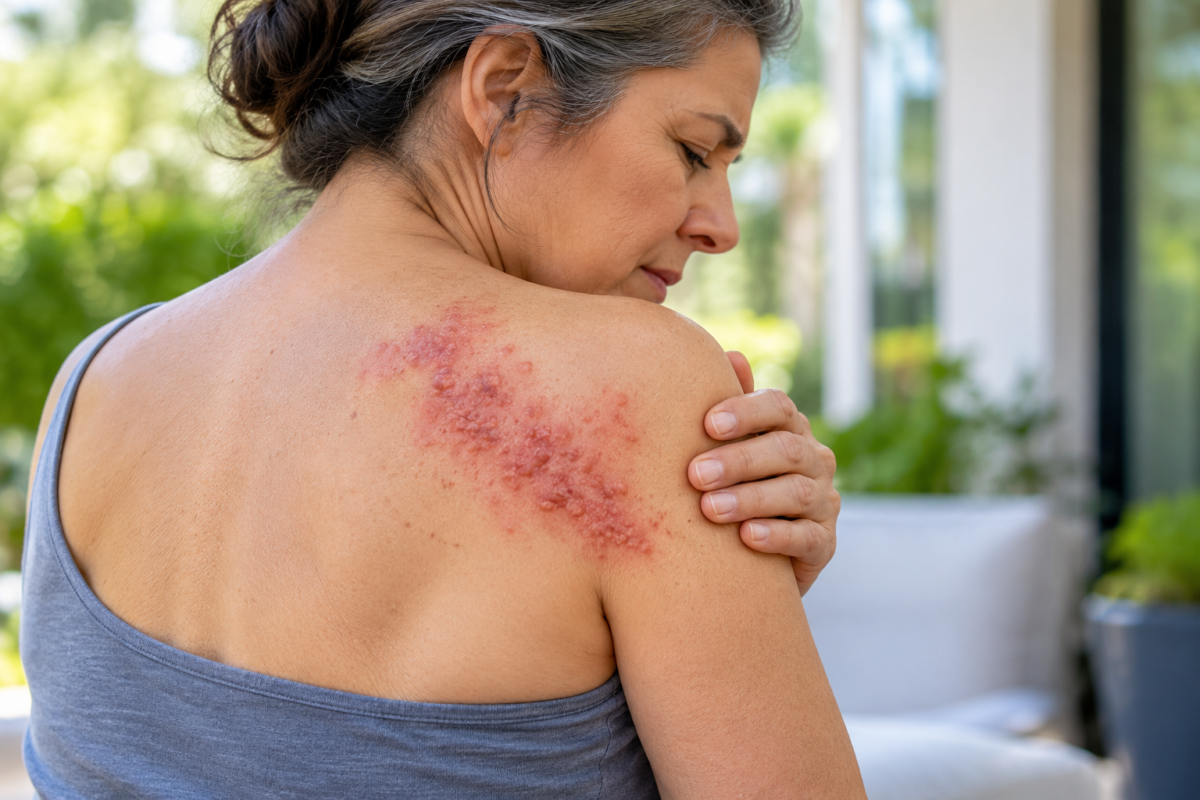
When shingles does appear, time is of the essence. Recognizing the early symptoms is crucial for getting antiviral treatments within the optimal 72 hour window. These early signs often start as a tingling, burning, or numbness days before any visible rash appears. Knowing when to seek emergency care, especially if symptoms appear near your eyes or ears, can prevent severe, long term complications like postherpetic neuralgia.
Beyond the physical discomfort, there is also a very real emotional toll that most resources skip over. Research consistently shows that shingles can severely impact sleep, mood, and daily life. Feeling anxious, low, or drained during and after a diagnosis is a documented, common response, not an overreaction.
Fortunately, the most effective response to shingles is not a lifestyle overhaul; it is education and prevention. For most healthy older adults, a simple conversation with a doctor about the shingles vaccine, which is over 90 percent effective, is the best first step.
Because so much online information is overly clinical, confusing, or quietly alarmist, it can be difficult to find straightforward answers. You need a resource that translates credible clinical information into practical steps you can actually use to make informed decisions and have better conversations with your healthcare provider.
The Shingles Guide for Adults Over 50 is available now from Apex Tome.
